- BUSINESS LAW
- Business Law
- Starting a Business in Arizona
- Reasons to Start Your Own Business
- Small Business
- Organizational Engineering
- Arizona C-Corporations & S-Corporations
- Form an LLC in Arizona
- Corporation Shareholder & LLC Operating Agreements
- Partnerships in Arizona
- Buying or Selling a Business in Arizona
- Arizona Representation for Out-of-State Businesses
- Business Restructuring
- Joint Ventures
- Partnership Agreements
- Business Succession
- Family Business Law
- Minority- and Women-Owned Businesses
- CONTRACTS & TRANSACTIONS
- Drafting Contracts
- Mergers & Acquisitions
- Commercial Leases
- Construction Law
- Construction Contract Issues
- Church Law
- Entertainment Law
- Health Care Law
- Internet Law
- International Business Law
- Medical Practice
- COMMERCIAL LITIGATION
- Commercial Litigation
- Breach of Contract
- Breach of Fiduciary Duties
- Breach of Sales, Service & Supply Agreements
- Business Purchase Dispute Litigation
- Business Disparagement & Defamation
- Aviation Contract & Lien Disputes
- Construction Litigation
- Franchising Litigation
- Business Torts
- Fraud & Misrepresentation
- Tortious Interference
- Alternative Dispute Resolution
- Federal Court Litigation
- Appellate Practice
- BUSINESS SUCCESSION
- Business Divorce & Disputes
- Dissolutions & Partnership Disputes
- Shareholder Derivative Suits
- Division of Business Assets
- Buy-Sell Agreements
- Protection of Personal Assets
- Asset & Liability Protection
- Asset Protection Trusts
- Wills & Healthcare Directives
- WHITE COLLAR CRIME & REGULATORY
- Regulatory Compliance and Enforcement
- Internal Investigations
- White-Collar Criminal Defense
- Fraud
- Identity Theft
- Money Laundering
- INTELLECTUAL PROPERTY
- Intellectual Property
- Copyright Law
- Cybersecurity & Data Breach Laws
- Trademark Law
- Trade Secrets and Proprietary Information
- Steps to Register a Trademark
- Online Trademark Infringement and Enforcement
- Artificial Intelligence (AI) Liability and Ethics
- EMPLOYMENT AGREEMENTS & ISSUES
- Employment & Labor
- Wage & Overtime Disputes
- Employment Agreements & Issues
- Restrictive Covenants
- Breach of Non-Compete Agreements
- Wrongful Termination
Search Site

Ask about offsite General Counsel services Appointments 365 – 7 days a week
866-696-2033


Arbitration clauses are commonly found in franchise agreements. Companies that have to deal with numerous franchisees are especially focused on minimizing the time and expense associated with disputes. However, it is important to remember that arbitration is an alternative to litigation, not an excuse to avoid resolving a conflict. Failing to cooperate with the dispute resolution process can trigger problems, even in a case where the franchise relationship fell apart relatively quickly.
G Six Consulting, LLC entered into a franchise agreement with Dickey’s Barbecue Restaurants to open a location in Illinois. After approximately three months, G Six closed the outlet, and sought relief from Dickey’s in arbitration, alleging that the franchisor did not accurately represent the amount of operating costs. In order to prove its claim, G Six requested testimony from top Dickey’s executives, but the company refused to produce personnel with knowledge of the business relationship.
Given this failure to abide by the rules for the proceeding, the arbitrator awarded G Six more than $700,000, plus interest. Dickey’s then brought the case to federal court, looking to overturn the arbitrator’s decision. This effort was not successful, however. The U.S. District Court for the Northern District of Texas upheld the arbitrator’s award, rejecting Dickey’s assertion that the sanction was unjustified or the result of arbitrator misconduct.
In an arbitration stemming from a franchise dispute, both parties must agree to reasonable discovery terms set forth by the arbitrator. Under the Federal Arbitration Act, decisions of an arbitrator are generally treated with great deference unless it is clear that the decision-maker acted in bad faith or clearly exceeded their powers. Here, the arbitrator acted within their authority to manage discovery and draw adverse inferences or impose sanctions against a recalcitrant party.
While the sharing of information during an arbitration is almost always less onerous than it would be in litigation, parties must still produce relevant witnesses and documents. If a party is obstructing, seek a written directive from the arbitrator requiring them to cooperate.
The Law Offices of Donald W. Hudspeth P.C. in Phoenix handles a wide range of franchise disputes for Arizona clients. Please call 866-696-2033 or contact us online to schedule a consultation.
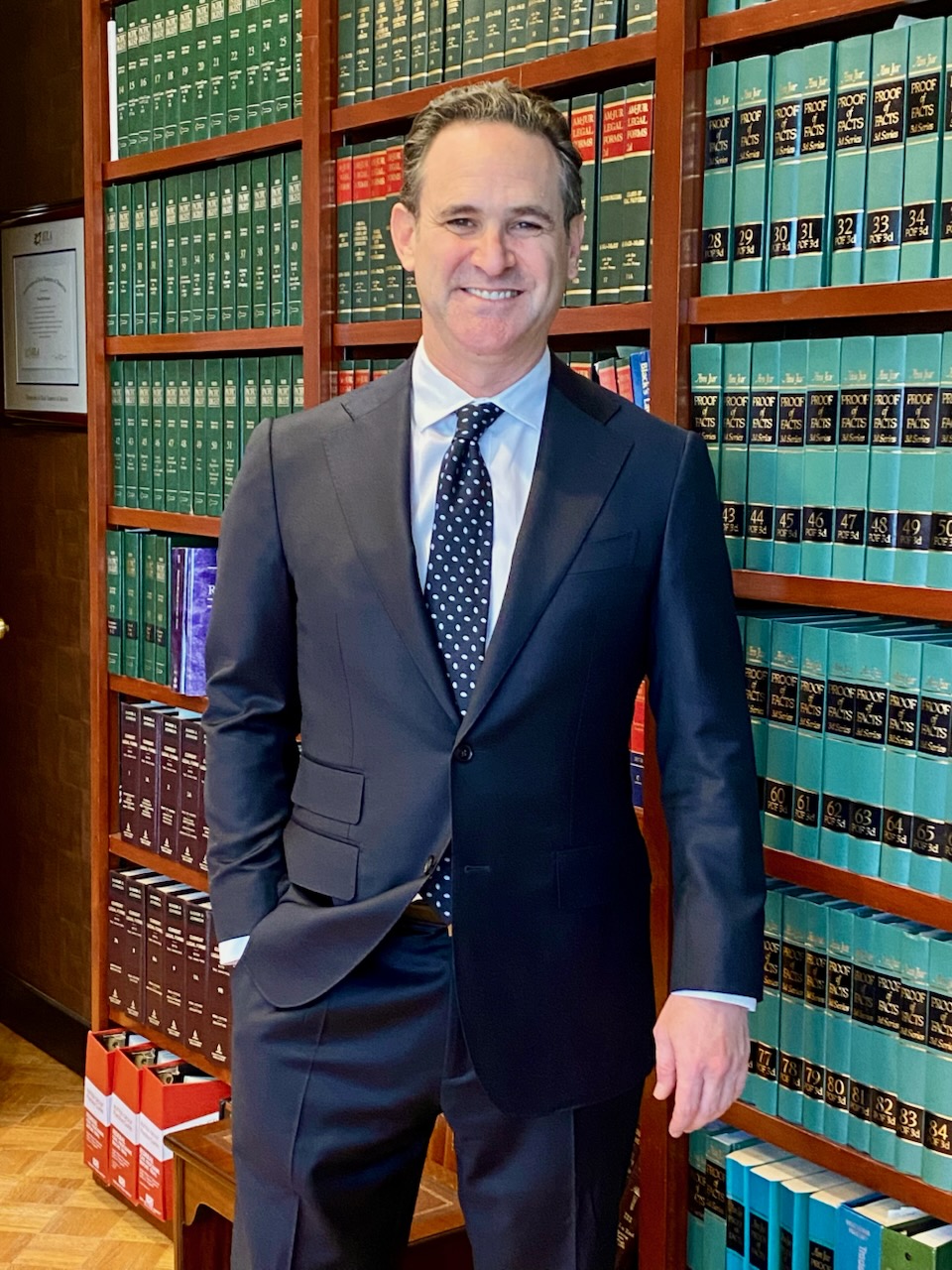
John M. Powers
John M. Powers is an Arizona attorney with more than two decades of experience in business transactions, commercial litigation, real estate, contracts, and general civil matters. His practice centers on corporate and commercial work for public companies, midsize businesses, family offices, entrepreneurs, athletes, and nonprofits. He also advises on employment, tort, and contract disputes. He…

Donald W. Hudspeth
Principal Attorney
Attorney Donald W. Hudspeth has more than twenty years’ experience practicing corporate and business law. Before attending law school, Mr. Hudspeth held a stock brokers license at the age of 21 and owned his own business at the age of 23. He was a business law professor at Arizona State University, West Campus, and has conducted classes and seminars for a number of higher institutions and organizations. Mr. Hudspeth has published two books on law and is the founder of the radio programs Law on the Edge and Law Talk.
AWARDS





Our firm now offers a scholarship program for ASU first and second year law students.
The scholarship is awarded to students for academic merit with an interest in business and business law. Candidates may have majored in fields other than business, have taken a break between college and law school, or have had exceptional life experiences.
Read MorePay your bills online
Use our easy-to-use and secure online payment feature to pay your bill. We accept all major credit cards.

Contact us

