- BUSINESS LAW
- Business Law
- Starting a Business in Arizona
- Reasons to Start Your Own Business
- Small Business
- Organizational Engineering
- Arizona C-Corporations & S-Corporations
- Form an LLC in Arizona
- Corporation Shareholder & LLC Operating Agreements
- Partnerships in Arizona
- Buying or Selling a Business in Arizona
- Arizona Representation for Out-of-State Businesses
- Business Restructuring
- Joint Ventures
- Partnership Agreements
- Business Succession
- Family Business Law
- Minority- and Women-Owned Businesses
- CONTRACTS & TRANSACTIONS
- Drafting Contracts
- Mergers & Acquisitions
- Commercial Leases
- Construction Law
- Construction Contract Issues
- Church Law
- Entertainment Law
- Health Care Law
- Internet Law
- International Business Law
- Medical Practice
- COMMERCIAL LITIGATION
- Commercial Litigation
- Breach of Contract
- Breach of Fiduciary Duties
- Breach of Sales, Service & Supply Agreements
- Business Purchase Dispute Litigation
- Business Disparagement & Defamation
- Aviation Contract & Lien Disputes
- Construction Litigation
- Franchising Litigation
- Business Torts
- Fraud & Misrepresentation
- Tortious Interference
- Alternative Dispute Resolution
- Federal Court Litigation
- Appellate Practice
- BUSINESS SUCCESSION
- Business Divorce & Disputes
- Dissolutions & Partnership Disputes
- Shareholder Derivative Suits
- Division of Business Assets
- Buy-Sell Agreements
- Protection of Personal Assets
- Asset & Liability Protection
- Asset Protection Trusts
- Wills & Healthcare Directives
- WHITE COLLAR CRIME & REGULATORY
- Regulatory Compliance and Enforcement
- Internal Investigations
- White-Collar Criminal Defense
- Fraud
- Identity Theft
- Money Laundering
- INTELLECTUAL PROPERTY
- Intellectual Property
- Copyright Law
- Cybersecurity & Data Breach Laws
- Trademark Law
- Trade Secrets and Proprietary Information
- Steps to Register a Trademark
- Online Trademark Infringement and Enforcement
- Artificial Intelligence (AI) Liability and Ethics
- EMPLOYMENT AGREEMENTS & ISSUES
- Employment & Labor
- Wage & Overtime Disputes
- Employment Agreements & Issues
- Restrictive Covenants
- Breach of Non-Compete Agreements
- Wrongful Termination
Search Site

Ask about offsite General Counsel services Appointments 365 – 7 days a week
866-696-2033

Artificial Intelligence (AI) Liability and Ethics
Arizona law firm guides on accountability posed by autonomous systems
Artificial intelligence is rapidly transforming how businesses operate, from automating decisions to analyzing vast amounts of data. For Arizona companies, AI technologies offer significant opportunities, while presenting complex legal and ethical risks. At the Law Offices of Donald W. Hudspeth P.C. in Phoenix, we have devoted time and resources to understanding the legal issues emerging along the AI landscape. We help companies understand the scope of the risks related to their specific AI use, so they can conduct business ethically and limit their liability for inadvertent misuse.
Legal risks associated with AI technologies
AI systems create a range of legal risks, particularly when their decisions affect individuals or businesses. These risks include:
- Discrimination in hiring, lending or customer service decisions
- Privacy violations related to personal data
- Intellectual property issues, such as copyrighted infringement
- Product liability claims, if AI system malfunctions cause harm
Currently, in the absence of AI-specific legislation, courts apply traditional legal principles of negligence, product liability and consumer protection laws in cases involving alleged AI-related harm. Because AI systems can generate unintended outcomes, businesses must carefully assess risks before use.
Who is responsible when AI causes harm
One of the most challenging questions in AI law is determining liability for harm. Responsibility typically falls on the individuals and organizations involved, including:
- Businesses deploying the AI system
- Developers who design or train the AI
- Vendors or service providers supplying the technology
Employers bear primary responsibility when AI results in unlawful discrimination. Courts often rely on established legal doctrines of negligence or product liability to hold appropriate parties accountable.
Ethical considerations in AI development and use
Beyond legal liability, AI raises ethical concerns that include:
- Fairness and bias — Ensuring AI systems do not produce discriminatory outcomes
- Transparency — Explaining AI decision-making to users
- Accountability — Maintaining human oversight over automated systems
- Safety and reliability — Preventing harmful consequences
AI systems can produce biased or inaccurate outputs that deviate from intended goals, especially when operating autonomously. Companies that fail to address these concerns risk reputational damage and regulatory scrutiny. Thus, AI governance has become a necessity, not just a compliance issue.
Data privacy concerns in AI applications
AI systems often rely on large datasets, including sensitive, personal information. This creates significant privacy concerns, particularly when data is collected, stored, or processed without proper safeguards. Key issues include:
- Unauthorized data collection or sharing
- Use of personal data without informed consent
- Data breaches or inadequate security measures
- Secondary uses of data beyond its original purpose
Potential privacy violations highlight the importance of compliance with data protection laws and best practices. To mitigate these risks, businesses must implement strong data governance policies, including data minimization, encryption and access controls.
Regulatory trends impacting AI in Arizona and beyond
The legal landscape for AI is evolving rapidly at the federal and state levels. While the United States does not have a comprehensive AI law, regulators are increasingly applying existing laws under new frameworks. Key trends include:
- Sector-specific regulation for industries such as healthcare and finance
- Increased enforcement of consumer protection and privacy laws
- New legislation targeting AI threats, such as deepfake misuse
- Development of legal principles for AI liability
Courts and policymakers are working to clarify how existing laws apply to AI, while organizations like the American Law Institute are developing formal principles to guide liability standards. Meanwhile, global developments will inevitably influence U.S. policy and business practices. Arizona businesses that wish to limit AI risks should consult closely with knowledgeable counsel.
Contact a Phoenix business lawyer to discuss AI liability issues
The Law Offices of Donald W. Hudspeth P.C. advises business clients on legal issues related to the use of artificial intelligence. To discuss your situation with a knowledgeable Phoenix attorney, call 866-696-2033 or contact us online to schedule a consultation.
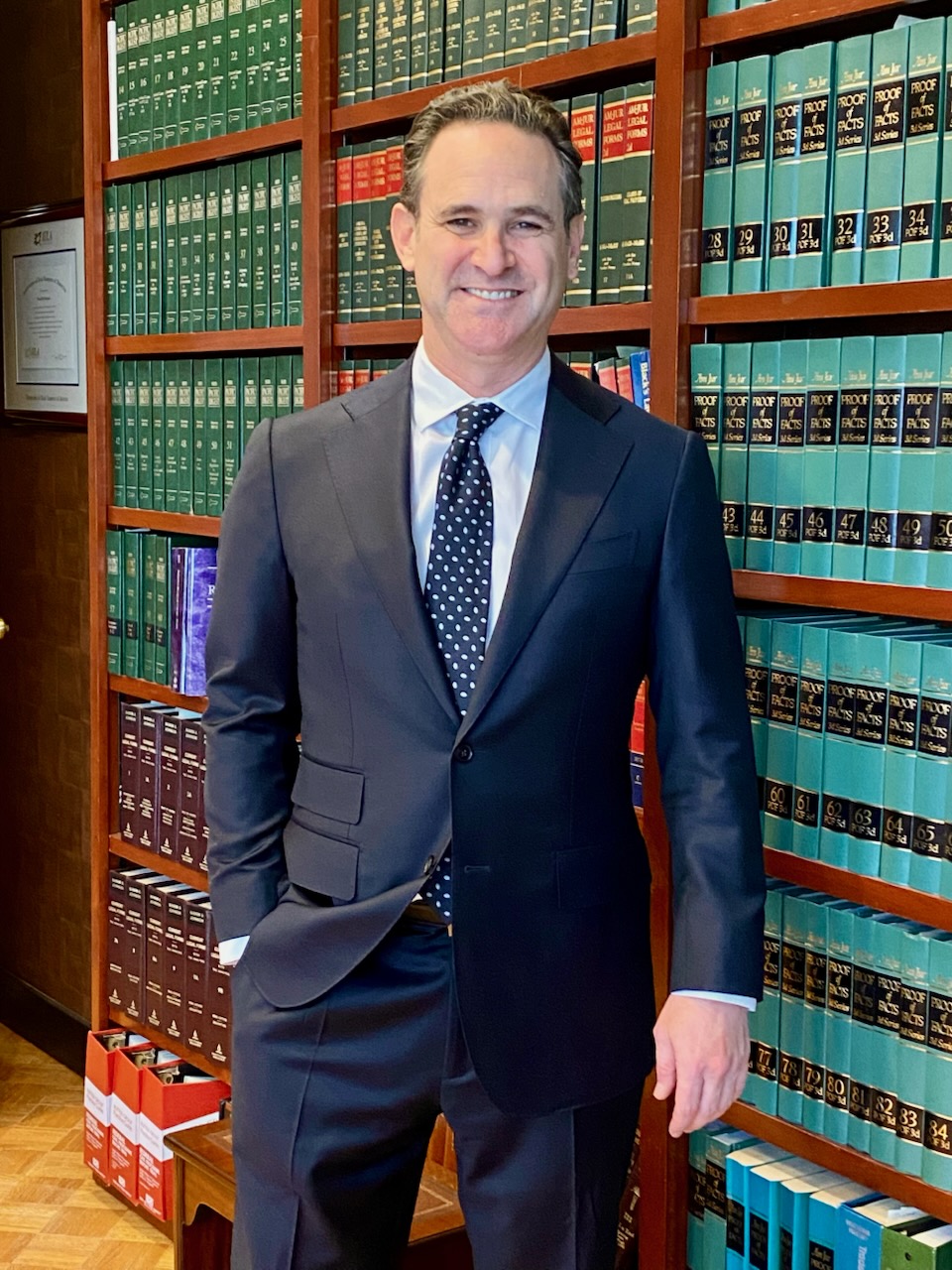
John M. Powers
John M. Powers is an Arizona attorney with more than two decades of experience in business transactions, commercial litigation, real estate, contracts, and general civil matters. His practice centers on corporate and commercial work for public companies, midsize businesses, family offices, entrepreneurs, athletes, and nonprofits. He also advises on employment, tort, and contract disputes. He…

Donald W. Hudspeth
Principal Attorney
Attorney Donald W. Hudspeth has more than twenty years’ experience practicing corporate and business law. Before attending law school, Mr. Hudspeth held a stock brokers license at the age of 21 and owned his own business at the age of 23. He was a business law professor at Arizona State University, West Campus, and has conducted classes and seminars for a number of higher institutions and organizations. Mr. Hudspeth has published two books on law and is the founder of the radio programs Law on the Edge and Law Talk.
AWARDS




Our firm now offers a scholarship program for ASU first and second year law students.
The scholarship is awarded to students for academic merit with an interest in business and business law. Candidates may have majored in fields other than business, have taken a break between college and law school, or have had exceptional life experiences.
Read MorePay your bills online
Use our easy-to-use and secure online payment feature to pay your bill. We accept all major credit cards.

Contact us

