- BUSINESS LAW
- Business Law
- Starting a Business in Arizona
- Reasons to Start Your Own Business
- Small Business
- Organizational Engineering
- Arizona C-Corporations & S-Corporations
- Form an LLC in Arizona
- Corporation Shareholder & LLC Operating Agreements
- Partnerships in Arizona
- Buying or Selling a Business in Arizona
- Arizona Representation for Out-of-State Businesses
- Business Restructuring
- Joint Ventures
- Partnership Agreements
- Business Succession
- Family Business Law
- Minority- and Women-Owned Businesses
- CONTRACTS & TRANSACTIONS
- Drafting Contracts
- Mergers & Acquisitions
- Commercial Leases
- Construction Law
- Construction Contract Issues
- Church Law
- Entertainment Law
- Health Care Law
- Internet Law
- International Business Law
- Medical Practice
- COMMERCIAL LITIGATION
- Commercial Litigation
- Breach of Contract
- Breach of Fiduciary Duties
- Breach of Sales, Service & Supply Agreements
- Business Purchase Dispute Litigation
- Business Disparagement & Defamation
- Aviation Contract & Lien Disputes
- Construction Litigation
- Franchising Litigation
- Business Torts
- Fraud & Misrepresentation
- Tortious Interference
- Alternative Dispute Resolution
- Federal Court Litigation
- Appellate Practice
- BUSINESS SUCCESSION
- Business Divorce & Disputes
- Dissolutions & Partnership Disputes
- Shareholder Derivative Suits
- Division of Business Assets
- Buy-Sell Agreements
- Protection of Personal Assets
- Asset & Liability Protection
- Asset Protection Trusts
- Wills & Healthcare Directives
- WHITE COLLAR CRIME & REGULATORY
- Regulatory Compliance and Enforcement
- Internal Investigations
- White-Collar Criminal Defense
- Fraud
- Identity Theft
- Money Laundering
- INTELLECTUAL PROPERTY
- Intellectual Property
- Copyright Law
- Cybersecurity & Data Breach Laws
- Trademark Law
- Trade Secrets and Proprietary Information
- Steps to Register a Trademark
- Online Trademark Infringement and Enforcement
- Artificial Intelligence (AI) Liability and Ethics
- EMPLOYMENT AGREEMENTS & ISSUES
- Employment & Labor
- Wage & Overtime Disputes
- Employment Agreements & Issues
- Restrictive Covenants
- Breach of Non-Compete Agreements
- Wrongful Termination
Search Site

Ask about offsite General Counsel services Appointments 365 – 7 days a week
866-696-2033


Partnership disputes and other conflicts among the owners of a business a fraught with risk for the participants. Should the disagreement wind up on court, the litigation could sap the company’s resources and distract the people in charge. Another concern is that publicity from the proceeding could harm the reputation of the business and everyone involved. Depending on the nature of the litigation, it is also possible that confidential materials, including the partnership agreement itself, could be exposed to the public.
A case involving two high-profile law firms addressed the treatment of sensitive information in a dispute involving two former partners. Clifford Chance sued to recover roughly $5.8 million in profit distributions that had gone to two attorneys who subsequently left for Sidley Austin. The ex-partners, Michael Sabin and Clifford Cone, responded by included full, unredacted partnership agreements that they had signed on to during their Clifford Chance membership.
According to Clifford Chance, these filings were unnecessarily expansive, as they included unnecessary private information relating to firm governance, profit allocation and partner responsibilities, most of which had nothing to do with case issue. While Sabin and Cone argued that where compelled to attach the documents, Clifford Chance moved to seal them, arguing that public access to the agreements caused competitive harm. The court agreed and removed the agreements from public view.
While the information in a partnership agreement might be considered a trade secret, each situation is unique, and there might be cases where a judge chooses not to seal the document from public view. Courts generally disfavor blanket sealing and require a particularized showing of likely competitive harm. Should you be engaged in a partnership dispute, it is important to consider the potential exposure of internal matters when you decide how to proceeds.
In disputes likely to involve sensitive information, a protective order might be warranted. Parties can agree to the redaction or sealing of confidential material and submit an order for the judge’s approval. Litigants should also be careful only to attach what is necessary for the court to decide the issue at hand. Often, an excerpt or summary will have the same practical effect as a full agreement.
The Law Offices of Donald W. Hudspeth P.C. in Phoenix represents Arizona clients in all types of shareholder and partnership disputes. To discuss your situation and particular concerns, please call 866-696-2033 or contact us online.
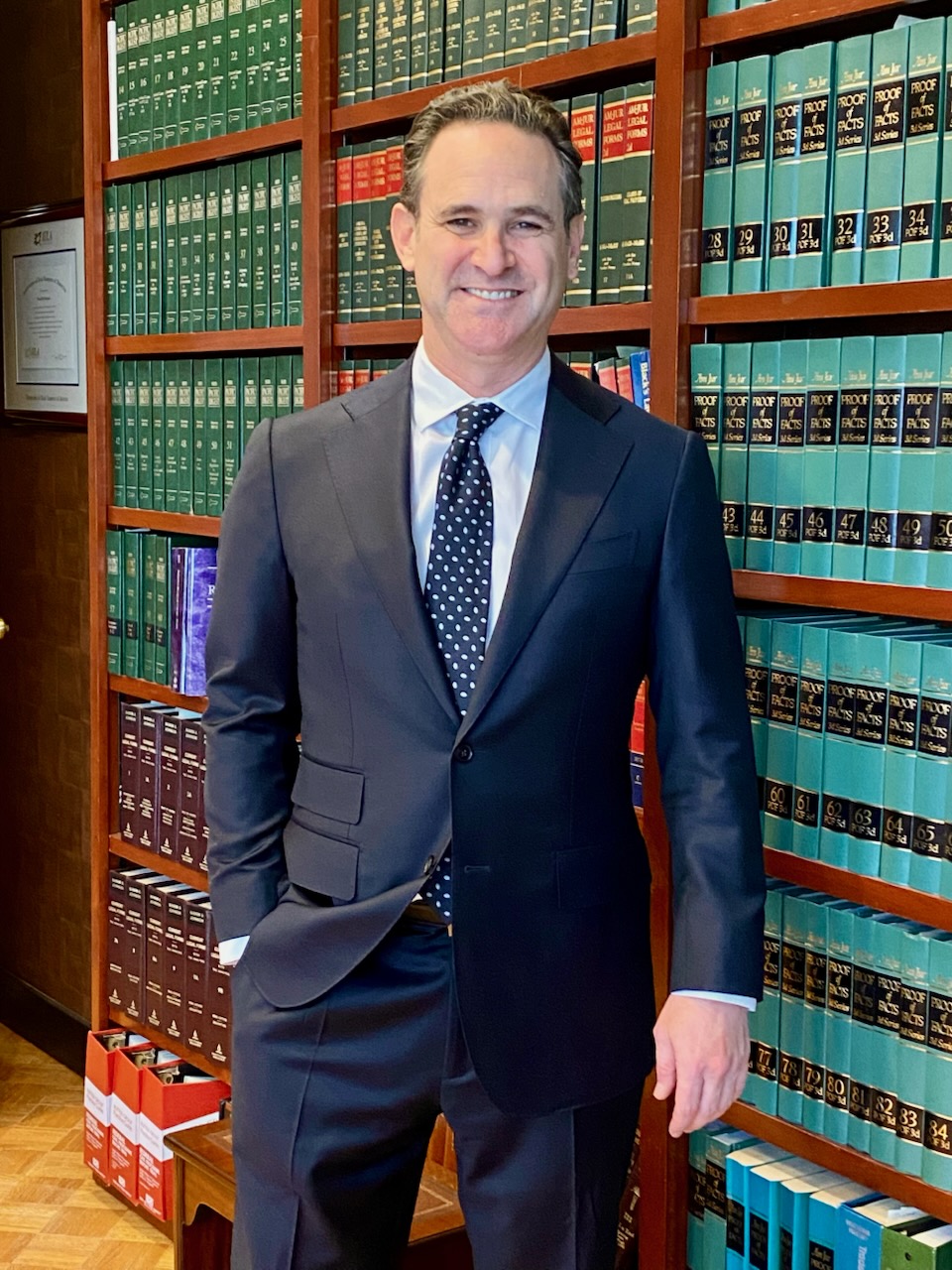
John M. Powers
John M. Powers is an Arizona attorney with more than two decades of experience in business transactions, commercial litigation, real estate, contracts, and general civil matters. His practice centers on corporate and commercial work for public companies, midsize businesses, family offices, entrepreneurs, athletes, and nonprofits. He also advises on employment, tort, and contract disputes. He…

Donald W. Hudspeth
Principal Attorney
Attorney Donald W. Hudspeth has more than twenty years’ experience practicing corporate and business law. Before attending law school, Mr. Hudspeth held a stock brokers license at the age of 21 and owned his own business at the age of 23. He was a business law professor at Arizona State University, West Campus, and has conducted classes and seminars for a number of higher institutions and organizations. Mr. Hudspeth has published two books on law and is the founder of the radio programs Law on the Edge and Law Talk.
AWARDS




Our firm now offers a scholarship program for ASU first and second year law students.
The scholarship is awarded to students for academic merit with an interest in business and business law. Candidates may have majored in fields other than business, have taken a break between college and law school, or have had exceptional life experiences.
Read MorePay your bills online
Use our easy-to-use and secure online payment feature to pay your bill. We accept all major credit cards.

Contact us

