- BUSINESS LAW
- Business Law
- Starting a Business in Arizona
- Reasons to Start Your Own Business
- Small Business
- Organizational Engineering
- Arizona C-Corporations & S-Corporations
- Form an LLC in Arizona
- Corporation Shareholder & LLC Operating Agreements
- Partnerships in Arizona
- Buying or Selling a Business in Arizona
- Arizona Representation for Out-of-State Businesses
- Business Restructuring
- Joint Ventures
- Partnership Agreements
- Business Succession
- Family Business Law
- Minority- and Women-Owned Businesses
- CONTRACTS & TRANSACTIONS
- Drafting Contracts
- Mergers & Acquisitions
- Commercial Leases
- Construction Law
- Construction Contract Issues
- Church Law
- Entertainment Law
- Health Care Law
- Internet Law
- International Business Law
- Medical Practice
- COMMERCIAL LITIGATION
- Commercial Litigation
- Breach of Contract
- Breach of Fiduciary Duties
- Breach of Sales, Service & Supply Agreements
- Business Purchase Dispute Litigation
- Business Disparagement & Defamation
- Aviation Contract & Lien Disputes
- Construction Litigation
- Franchising Litigation
- Business Torts
- Fraud & Misrepresentation
- Tortious Interference
- Alternative Dispute Resolution
- Federal Court Litigation
- Appellate Practice
- BUSINESS SUCCESSION
- Business Divorce & Disputes
- Dissolutions & Partnership Disputes
- Shareholder Derivative Suits
- Division of Business Assets
- Buy-Sell Agreements
- Protection of Personal Assets
- Asset & Liability Protection
- Asset Protection Trusts
- Wills & Healthcare Directives
- WHITE COLLAR CRIME & REGULATORY
- Regulatory Compliance and Enforcement
- Internal Investigations
- White-Collar Criminal Defense
- Fraud
- Identity Theft
- Money Laundering
- INTELLECTUAL PROPERTY
- Intellectual Property
- Copyright Law
- Cybersecurity & Data Breach Laws
- Trademark Law
- Trade Secrets and Proprietary Information
- Steps to Register a Trademark
- Online Trademark Infringement and Enforcement
- Artificial Intelligence (AI) Liability and Ethics
- EMPLOYMENT AGREEMENTS & ISSUES
- Employment & Labor
- Wage & Overtime Disputes
- Employment Agreements & Issues
- Restrictive Covenants
- Breach of Non-Compete Agreements
- Wrongful Termination
Search Site

Ask about offsite General Counsel services Appointments 365 – 7 days a week
866-696-2033


Anyone who has attempted to secure a government contract understands that they must follow a series of rules and procedures that do not apply to agreements between private parties. In some situations, it seems like one law contradicts another, forcing businesses to assess exactly what must be done to get the job they seek. Recently, the Arizona Court of Appeals considered whether the state’s law barring prevailing wage mandates in government contracts was superseded by the statute enabling cities to establish their own minimum wage.
In Associated Minority Contractors et al. v. City of Phoenix et al., the dispute arose out of the city’s rule linking wages on construction projects to information generated from market surveys within the industry. Prevailing wage requirements date back approximately a century, most prominently in the federal Davis-Bacon Act. Arizona adopted its own version of the Davis-Bacon Act in 1933, but then reversed it in a 1984 statewide ballot initiative.
Another ballot initiative, this one in 2006, changed existing state law and gave municipalities the power to increase the state-mandated minimum wage for employees within its city limits. In 2023, Phoenix and Tucson, drawing on guidance from the Arizona Attorney General, enacted ordinances requiring contractors to use federal Department of Labor data to pay prevailing wages on government construction projects of a certain value. The Tucson rule applied to contracts of at least $2 million, and the Phoenix prevailing wage provision took effect when a job cost $4 million or more.
Construction industry groups objected to the effect these ordinances had on their labor costs and sued, alleging violation of the 1984 law barring prevailing wage mandates. The Court of Appeals agreed, drawing a distinction between “minimum wages” and “prevailing wages.” According to the court’s reasoning, a minimum wage is a jurisdiction-wide floor applicable to covered employers and employees. A prevailing wage is a variable, occupation- and locality-specific rate typically derived from surveys and applied as a condition of public contracting. Because the two concepts are legally and functionally distinct, the later grant of authority to set local minimum wages did not authorize cities to impose prevailing wage requirements on their own public works.
The court also emphasized that implied repeals are disfavored and that the more specific statute (the public contracting prohibition) controls over the more general statute (local minimum wage authority) absent clear conflict. If you have questions about the rules controlling a government contract your business is seeking, or any other agreement, it is wise to speak with a qualified attorney before you invest significant resources into landing the project.
Located in Phoenix, the Law Offices of Donald W. Hudspeth, P.C. assists Arizona companies with a full range of contract matters. To schedule a consultation, please call us at 866-696-2033 or contact us online.
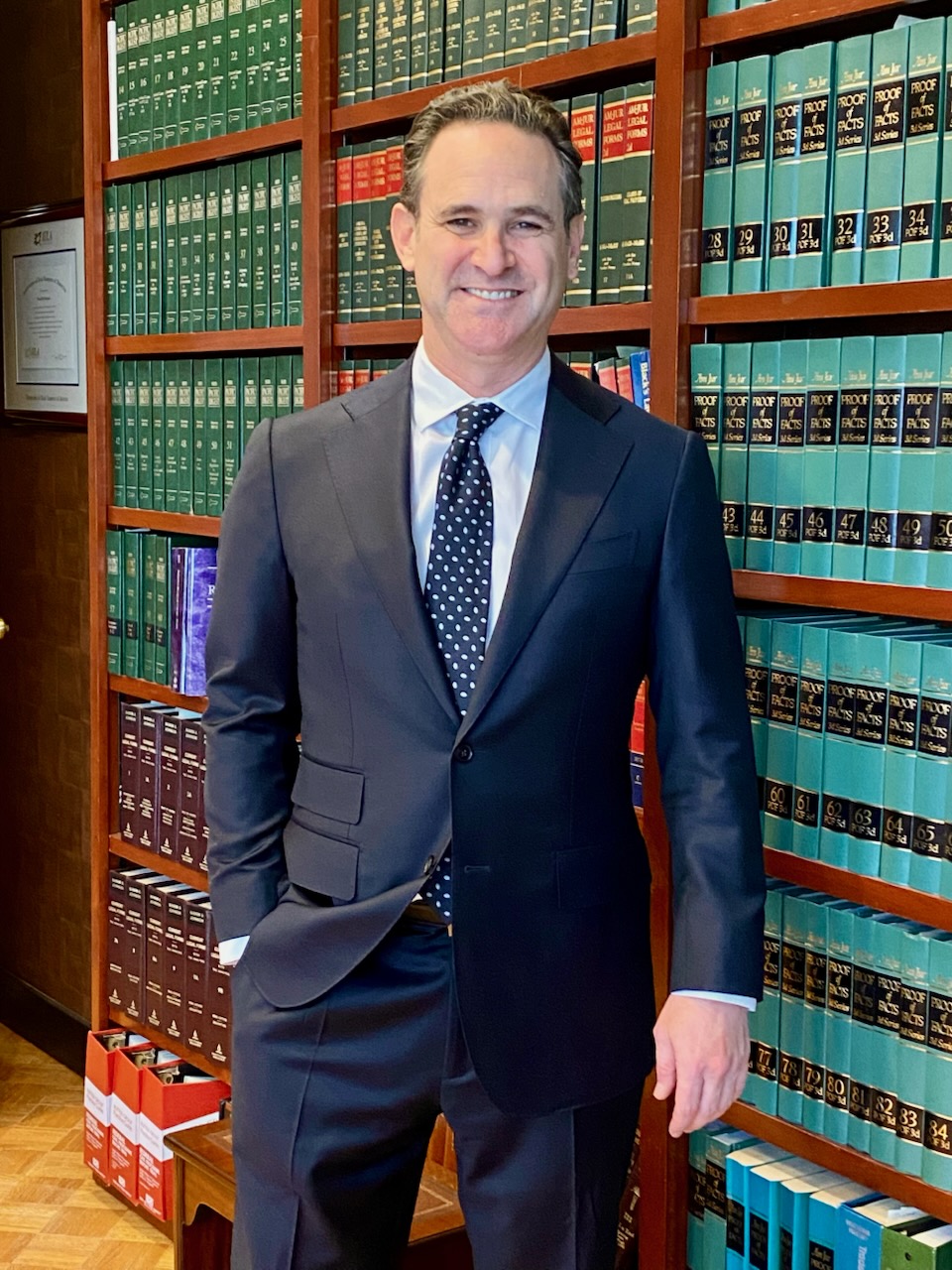
John M. Powers
John M. Powers is an Arizona attorney with more than two decades of experience in business transactions, commercial litigation, real estate, contracts, and general civil matters. His practice centers on corporate and commercial work for public companies, midsize businesses, family offices, entrepreneurs, athletes, and nonprofits. He also advises on employment, tort, and contract disputes. He…

Donald W. Hudspeth
Principal Attorney
Attorney Donald W. Hudspeth has more than twenty years’ experience practicing corporate and business law. Before attending law school, Mr. Hudspeth held a stock brokers license at the age of 21 and owned his own business at the age of 23. He was a business law professor at Arizona State University, West Campus, and has conducted classes and seminars for a number of higher institutions and organizations. Mr. Hudspeth has published two books on law and is the founder of the radio programs Law on the Edge and Law Talk.
AWARDS





Our firm now offers a scholarship program for ASU first and second year law students.
The scholarship is awarded to students for academic merit with an interest in business and business law. Candidates may have majored in fields other than business, have taken a break between college and law school, or have had exceptional life experiences.
Read MorePay your bills online
Use our easy-to-use and secure online payment feature to pay your bill. We accept all major credit cards.

Contact us

