- BUSINESS LAW
- Business Law
- Starting a Business in Arizona
- Reasons to Start Your Own Business
- Small Business
- Organizational Engineering
- Arizona C-Corporations & S-Corporations
- Form an LLC in Arizona
- Corporation Shareholder & LLC Operating Agreements
- Partnerships in Arizona
- Buying or Selling a Business in Arizona
- Arizona Representation for Out-of-State Businesses
- CONTRACTS & TRANSACTIONS
- Mergers & Acquisitions
- Commercial Leases
- Construction Law
- Construction Contract Issues
- Church Law
- Entertainment Law
- Health Care Law
- Internet Law
- International Business Law
- Medical Practice
- COMMERCIAL LITIGATION
- Commercial Litigation
- Alternative Dispute Resolution
- Aviation Contract & Lien Disputes
- Appellate Practice
- Breach of Fiduciary Duties
- Breach of Sales, Service & Supply Agreements
- Business Disparagement & Defamation
- Business Purchase Dispute Litigation
- Business Torts
- Federal Court Litigation
- Franchising Litigation
- Fraud & Misrepresentation
- Tortious Interference
- Construction Litigation
- BUSINESS SUCCESSION
- Business Divorce & Disputes
- Dissolutions & Partnership Disputes
- Shareholder Derivative Suits
- Division of Business Assets
- Buy-Sell Agreements
- Protection of Personal Assets
- Asset & Liability Protection
- Asset Protection Trusts
- Wills & Healthcare Directives
- WHITE COLLAR CRIME & REGULATORY
- White-Collar Criminal Defense
- Regulatory Compliance and Enforcement
- Internal Investigations
- INTELLECTUAL PROPERTY
- Intellectual Property
- Copyright Law
- Cybersecurity & Data Breach Laws
- Intellectual Property Infringement
- Trademark Law
- Trade Secrets and Proprietary Information
- EMPLOYMENT AGREEMENTS & ISSUES
- Employment Agreements & Issues
- Breach of Non-Compete Agreements
- Employment & Labor
- Restrictive Covenants
Search Site

Ask about offsite General Counsel services Appointments 365 – 7 days a week
866-696-2033

Articles
- “The Civil Prosecution of Donald Trump and the Nature of Law”
By Donald W. Hudspeth - “The Business Of Our Law Firm Is Business.”
— Attorney And Business Owner Donald W. Hudspeth - Top 10 Most Inspiring People in Legal Services, 2022
By CIO Views - How Commercial Landlords Become Evil
By Donald W. Hudspeth - ALERT! AZ BUSINESS LLC OWNERS
It is not my nature to be alarmist but you need to read this!
By Donald W. Hudspeth - Healthcare Directives, Medical Power of Attorney, Wills and Succession Planning
By Donald W. Hudspeth - How to Choose and Use Your Business Attorney©
By Donald W. Hudspeth - BUSINESS DIVORCE
The Cause and Process©
By Donald W. Hudspeth - How to Break A Commercial Lease©
By Donald W. Hudspeth - Checklist of Items to Know and Do in Contract Drafting and Why©
By Donald W. Hudspeth, ESQ. - The Value of Practical Experience
Your Attorney May Have handled Your Type of Case Many Times Before©
By Donald W. Hudspeth - Pirates & Partnerships
Lessons in Business Organization©
By Donald W. Hudspeth - Boutique Firms and the Problem with the Partnership Equity Model©
By Donald W. Hudspeth - The Practice of Law and Special Ops©
Why Legal Matters are No Place for a Lay Person Alone
By Donald W. Hudspeth - Hire the Lawyer and Get Your Chips for Free©
By Donald W. Hudspeth - The Falsity of Forms, Updated and Expanded
A Baker’s Dozen (and More) of Things You Need to Know about Business Contracts
By Donald W. Hudspeth - Starting a Business Mid-life or Older
By Donald W. Hudspeth - Donor Spotlight | Sandra Day O’Connor College of Law
By Donald W. Hudspeth - How to Screw Up Your Life by Starting a Business
By Donald W. Hudspeth - How Franchise Law is Screwed Up©
By Donald W. Hudspeth - Some Things to Think About When You are Thinking About a Full-Service Law Firm
By Donald W. Hudspeth - Ten Things You Should Know About Your Commercial Lease
By Donald W. Hudspeth - Why Don’t Accountants and Lawyers Say the Same Thing?
By Donald W. Hudspeth - Asset Protection and Succession Planning Examples and Checklist for Business Owner
By Donald W. Hudspeth - The Knowledge Ramp and Money Hurdle To Owning and Operating Your Own Business
By Donald W. Hudspeth - How to Buy or Start a Franchise
By Donald W. Hudspeth - Pros & Cons of Arbitration
By Donald W. Hudspeth - How To Succeed In Your Own Business By Really Trying
By Donald W. Hudspeth - 3 Reasons Your Business Needs a ‘Legal Brickhouse’
By Donald W. Hudspeth - The Top 5 Reasons Small Business Owners Get Sued
By Donald W. Hudspeth - Doing the Deal: What You Need to Know Going In
By Donald W. Hudspeth - Business & Commercial, International Business
By Donald W. Hudspeth - Pros and Cons of Starting Your Own Business – Full Version
By Donald W. Hudspeth - What to Expect When You’re Expecting to See a Lawyer And How to Deal With It.
Donald W. Hudspeth - Pros and Cons of Starting Your Own Business
By Donald W. Hudspeth - Knowing the Question – How Do I Know The Right Question To Ask My Lawyer About My Case?
Donald W. Hudspeth - Checklist for Business Acquisition or Start Up, Stage Two: Strategic Considerations By Donald W. Hudspeth
- ONE MINUTE LECTURES On Business and Business Law Matters© By Donald W. Hudspeth
- JUST ONE FACT By Donald W. Hudspeth
- Being Smart in Business Legal Matters By Donald W. Hudspeth
- The Pros and Cons of Starting your own Business
- The Falsity Of Forms, Ten Things You Need To Know About Business Contracts By Donald W. Hudspeth
- Working Under Pressure And Ignorance As A Key to Business Success By Donald W. Hudspeth
- Working Beyond Your Means By Donald W. Hudspeth
- The Maytag Repairman, The Art of War & The Practice of Business Law By Donald W. Hudspeth
- “THE STARTUP ENTERPRISE” By Donald W. Hudspeth
- How To Draft An LLC Operating Agreement By Donald W. Hudspeth
- “FOLLOW THE MONEY” By Donald W. Hudspeth
The Whys and Wherefores of Commercial Litigation
- “Business Start Up or Purchase Checklist” By Robert Miller.
- “Partner with Small Business: How The Hudspeth Firm Enables Startups and Growth Companies” By Robert Miller.
A business law firm in today’s economy needs to respond nimbly and effectively to meet the urgent demands of start up companies and its entrepreneurs. We strive to meet the pressing needs of raising capital, creating strategic partnerships and evaluating investor suitability through our affiliations with clients who engage in the business of turnkey contract management and finance.
A Team Approach to National and International Business. Bringing Together the Thorwald Group Resources in Government, Finance, Consulting and Law
- “The Nature of Law and Legal Practice” By Donald W. Hudspeth.
In law wrong questions get wrong answers. Often wrong questions have the “baggage” of false assumptions, misunderstandings or unrealistic expectations which can lead to bad outcomes. This article is about wrong questions, specifically the “quick question,” and the nature of law.
- “You are what You Sell” By Donald W. Hudspeth.
There are many popular approaches to determining and expressing who we are. These include eating, reading, hearing, measuring, art, music, spending money and what we do. I would like to add to the list “You are what you sell.” Because owning and operating a business can be so challenging and rewarding, interesting and exciting, enveloping and encompassing, this answer may work as well for many of the small and medium size business owners who are my clients.
- “Winning at Law” By Donald W. Hudspeth.
#Winning. Most of us recognize the infamous hashtag of Charlie Sheen, who at the time was in the middle of an incredible episode of self-destruction. So, what is winning exactly and how winning apply in the practice of law?
- “What Business Owners should look for in a Business Law Firm” By Donald W. Hudspeth.
- “Sweet Nothings in a Business Relationship” By Donald W. Hudspeth.
Whispering “sweet nothings” in your business partner’s ear may not be a good idea, particularly if it is not that type of relationship. But, this article addresses legal issues that arise between business owners where a close friendship or personal relationship does exist.
- “On Human Failings” By Donald W. Hudspeth.
- “Immigrant Business” By Donald W. Hudspeth.
We hear so much about immigration in the context of border controversies that we may forget the vital role that immigrant owned businesses play in our economy.
- “PARTNER WITH SMALL BUSINESS: HOW THE HUDSPETH FIRM ENABLES STARTUPS AND GROWTH COMPANIES” by Robert Miller
- “Getting the deal Backwards” By Donald W. Hudspeth.
You are not buying or selling the business or its assets – you are buying or selling – what the legal documents say you are buying or getting.
- “Filing your Federal Trademark” By Donald W. Hudspeth.
Filing a trademark with the United States Patent and Trademark Office (USPTO) is more than just filling out a form and paying the fee; it’s a multi – step process lasting upwards of a year that can give rise to lawsuits and unnecessary expense if done incorrectly.
- “Do’s and Don’ts Re Google in your legal Research” By Donald W. Hudspeth.
Unfortunately, about two out of three new clients come to our firm because they have a problem with their signed contract or legal documentation. Legal documents are like shoes. One pair is not right for all occasions, nor will one size fit all. Every day I see matters which could have been handled as brief, inexpensive office visits before the deal, but which later are the subject of time-consuming and expensive litigation. Worse, I see lives ruined because many mistakes are so devastating the client cannot recover. Here are a few quick pointers on how to use Google (or Bing or Yahoo, Firefox, etc.) for legal information and to avoid finding yourself in similar, situations.
- “Docs online versus Docs from your Business Lawyer” By Donald W. Hudspeth.
As with do-it-your-selfers on home projects, business owners who do legal work by themselves are not only likely to make serious, life-altering mistakes, but also to walk away from valuable knowledge, information and experience which the lawyer can apply in the form of tailored advice and contracts to the business owner’s particular business, customers, and operating history.
- “Controlling the Idiot in the Deal” By Donald W. Hudspeth.
- “A lesson learned from Homework at Harvard” By Donald W. Hudspeth.
Truth needs an advocate and advocacy requires confidence. So, whether I am doing a deal, or doing a trial, my job as a lawyer is to determine the truth of the situation, and the truth of my client’s position, to reconcile these truths as best as I honestly and reasonably can, then advocate for not less than that outcome unless and until that it becomes clear that position is untenable.
- “A checklist of reasons to start your own business” By Donald W. Hudspeth.
Here is a list of reasons why I started my own business and why you may want to start your own small business.
- “The Wolf Inside Your Door” By Donald W. Hudspeth.
Data breaches by the malicious Insider – Prevention and Recovery
- “St. Paul, the Problems of Being Human and of Small Businesses Dealing with Angieslist.com” By Donald W. Hudspeth.
Like many people with a standard Midwest religious upbringing I struggle to do the right thing and, sometimes, to know just what that is under the circumstances. But, as St. Paul discussed in Romans 71 “being good is not that easy, even when we are so inclined” (and he was a Saint).
- “The Falsity of Forms: Ten things You Need to Know about Business Contracts” By Donald W. Hudspeth.
Business contracts are like shoes: One size does not fit all nor is one pair suitable for all occasions. The same is true for most of the important things in life: Our mate, our friends, car, clothes, etc. For this reason, there are a number of problems with using standardized “(“form”) agreements such as those you get online or from a friend.
- “Arizona Business and International Law” By Donald W. Hudspeth.
A decade or more ago a client of our business law firm needed some advice on an international transaction. We called several local firms that we thought might do that kind of work, but they didn’t.
- “NEW BUSINESS START-UPS: What You Need to Know About Your New Business Start-Up and The Firm’s Initial Consultation Related to Same” By Donald W. Hudspeth.
A “Start-Up” company faces a number of organizational issues and milestones. This memorandum discusses some of the things we discuss in our initial client intake for a new company.
- “The Falsity of Forms: 10 Things to Know About Business Contracts” By Donald W. Hudspeth.
Business contracts are like shoes: One size does not fit all nor is one pair suitable for all occasions. *The same is true for most of the important things in life: Our mate, our friends, car, clothes, etc. For this reason, there are a number of problems with using standardized (“form”) agreements such as those you get online or from a friend.
- “Robi Construction, Inc. vs. Homoly A LESSON IN PROPER LLC GOVERNANCE” By Jennifer Villier, J.D.
- “WHY PEOPLE SUE: The ins and Outs Commercial Litigation” By Donald W. Hudspeth
- “Getting Past Thompson v. Harris: A New Standard of Constructive Eviction in Arizona” By Donald W. Hudspeth
- “TEN COMMON MISTAKES THAT BUSINESS OWNERS MAKE” By Donald W. Hudspeth
- “LAW FIRM OF THE MONTH“ by ATTORNEY AT LAW MAGAZINE
Let us now praise opposing counsel. The good they do can live after
them.
Ropes to Skip and Ropes to Know In the Operation of Your Small Business
The Inside Story on Choosing and Using a Lawyer
A tenant under a commercial lease (the “affected tenant”) may have a claim of constructive eviction against a commercial landlord who/which fails to take action to force another tenant who in breach of its own lease (the ‘breach tenant”) causes harm to the affected tenant. While the commercial lease may state that the landlord is not responsible for the acts of the breach tenant, the court found that once the breach tenant breaches the lease then the landlord has the right and the duty to step in to cure the harm. This comports with the affected tenant’s reasonable expectation to call the landlord, not a lawyer. The affected client complained to the landlord, but the landlord said that it had no power to act under traditional property law because a lease is a “conveyance” of property. The affected tenant lost at the trial court level but prevailed on appeal.
In this economy many highly qualified people cannot find jobs. This includes veterans, retirees, new grads, and the unemployed or under-employed workers who need to create their own job.
The firm often receives calls asking about the price of X, where “X” is, say, an LLC. How do you know you need “X?” Y may be much better for you…
“There is no court house to run to in the middle of the Ocean.” Specifying applicable law, like the CISG, discussed below, and the forum for resolution — often through international arbitration in London or Geneva – is absolutely essential. Without such designation and agreement as to what law will apply and where the dispute will be heard, the parties can literally be “nowhere” in terms of dispute resolution and contract enforcement.
Two out of three new clients come to our firm because they have a problem with their signed contract or existing legal documentation. For example, their LLC does not have an Operating Agreement, so ownership and authority issues are unclear. The company does not have buy-sell agreement setting forth the conditions and terms under which business partners will part company (So money which might have been spent on “business as usual” afterward or orderly split, is spent on unproductive litigation). I could go on…
Many of my business law clients come to the firm, not because they have recognized a need and seek to avoid or prevent some problem or event from happening, but in response to that problem or event after it has occurred. In other words, the demand for our legal services is reactive, not preventative. This response-based, as opposed to prevention-based, approach to legal services has several consequences to and for the firm and the client:
An understandable, but false, assumption of some potential law firm clients is that a small case will cost less than a big one. After all, if I buy a small coffee I expect to pay less than I would pay for a larger size, so why do legal fees not adjust to the size of the case?
As a lawyer, or sometime in your life, you have probably heard the saying by Abraham Lincoln: “He who would be his own lawyer has a fool for a client.” (Mr. Lincoln also said “A lawyer’s time is his stock in trade.” a useful motto in our profession. My hometown lawyer had that sign above his receptionist’s desk.)
Ralph Waldo Emerson, who wrote the essays Self Reliance and Compensation, among others, would have loved my law firm clients who, just to name a few of their good character traits, tend to be hard-working, self-reliant, persevering and intelligent. In short, they have “character.” Too often, however, these good character traits cause them to fail. “How can this be?” you may ask. The purpose of this chapter is to answer that question. (From the book “Minding Your Own Business” by Donald W. Hudspeth).
Partnership disputes can occur for a number of reasons, including lack of money, false expectations, personality conflicts, or differences of style and vision. Where the company was founded by one majority owner, often that founder can be so dominant in terms of operational control that the practical and legal rights of other owners, even of significant owners, can be ignored.
A prospective new employer may not hire an employee who is subject to non-compete; the former employer may not release the employee from the non-compete because it keeps the employee off the market during the non-compete period. This scenario is especially likely where the employee leaves under unfavorable circumstances.

Donald W. Hudspeth
Principal Attorney
Attorney Donald W. Hudspeth has more than twenty years’ experience practicing corporate and business law. Before attending law school, Mr. Hudspeth held a stock brokers license at the age of 21 and owned his own business at the age of 23. He was a business law professor at Arizona State University, West Campus, and has conducted classes and seminars for a number of higher institutions and organizations. Mr. Hudspeth has published two books on law and is the founder of the radio programs Law on the Edge and Law Talk.
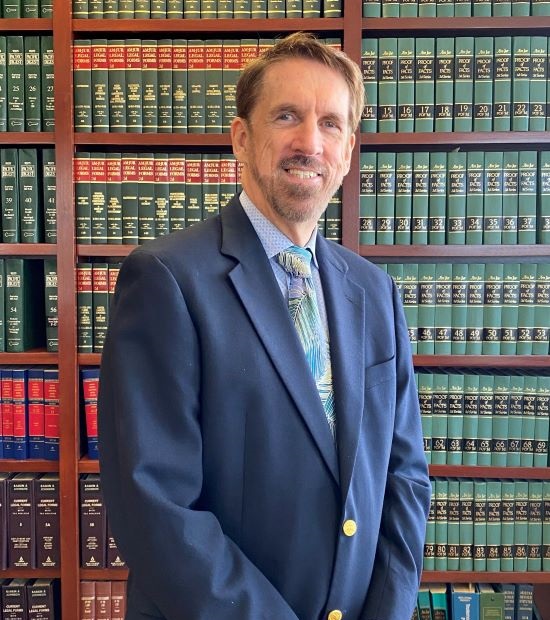
Mark S. Hamilton
Attorney
About Attorney Mark S. Hamilton has experience handling all aspects of civil and commercial litigation in federal, state, and tribal courts at the trial and appellate levels. Practice Areas Business litigation Commercial litigation Education University Of Hawaii Wm. S. Richardson School Of Law, Juris Doctor - 2002 University Of Hawaii, Master Of Arts in Asian…
AWARDS




Our firm now offers a scholarship program for ASU first and second year law students.
The scholarship is awarded to students for academic merit with an interest in business and business law. Candidates may have majored in fields other than business, have taken a break between college and law school, or have had exceptional life experiences.
Read MorePay your bills online
Use our easy-to-use and secure online payment feature to pay your bill. We accept all major credit cards.

Contact us

